Fotona 4D Laser Facial (TimeWalker) for Wrinkles, Texture, and Tone
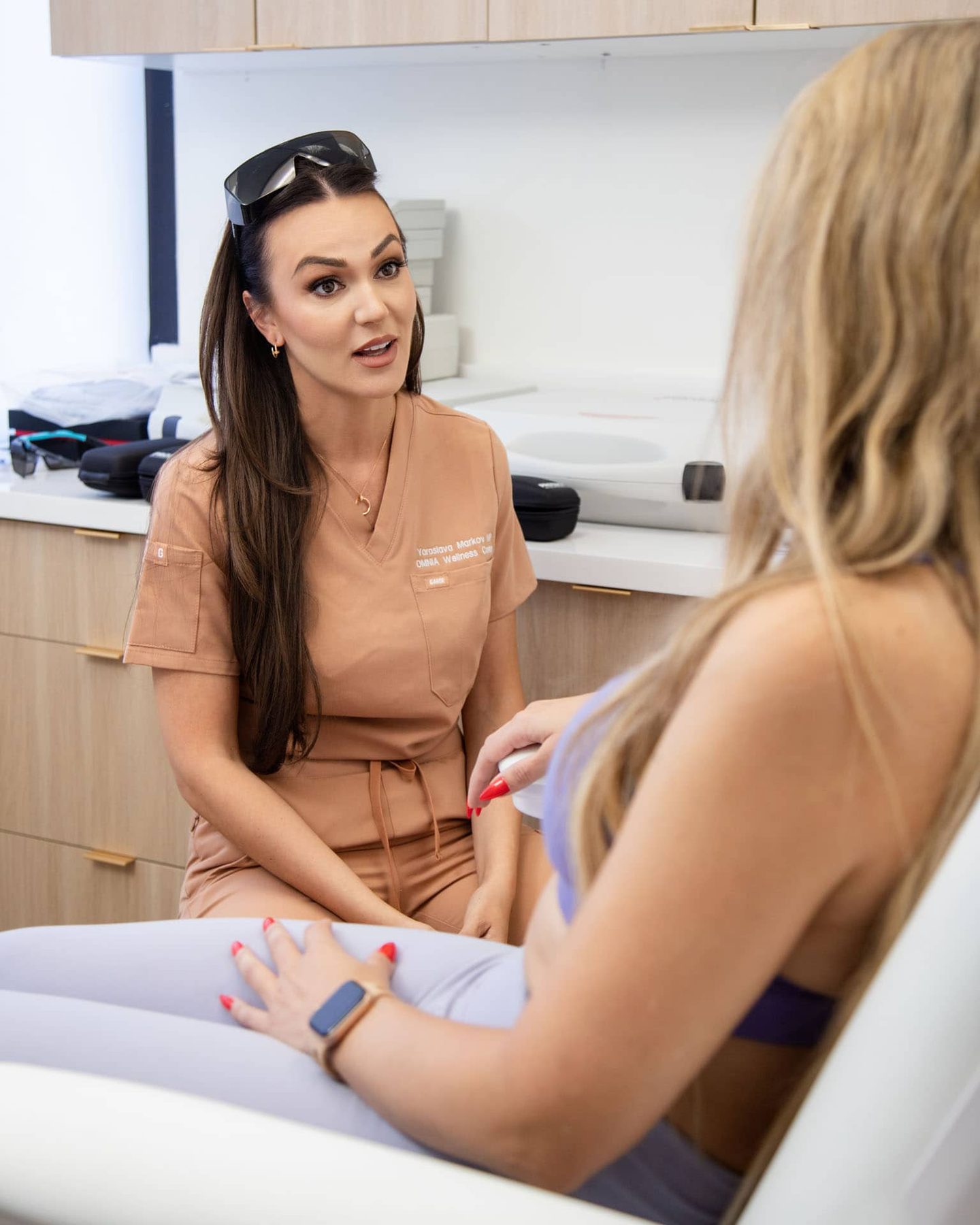
Patients rarely come in asking for a perfectly smooth face. What they usually want is more subtle and more realistic. They want their skin to look rested. They want makeup to sit better. They want the lower face to feel tighter, the fine lines around the mouth to soften, and the overall complexion to look brighter without obvious signs that they had “work done.” That is where the Fotona 4D Laser Facial (TimeWalker) tends to earn its place.
This treatment has developed a strong following because it addresses several concerns at once. It is not simply a resurfacing laser, and it is not just a tightening treatment. The appeal lies in the layered approach. It can target texture, superficial lines, pigmentation irregularity, and some degree of laxity by treating different tissue depths in the same session. When used well, it produces a fresher version of the same face rather than a dramatically altered one.
That distinction matters. Many people are not looking for a week or two of intense downtime, and they are not always ready for injectables or surgery. They want something that fits between skin care and more invasive procedures. The TimeWalker platform, particularly in its 4D facial protocols, sits in that middle ground.
What the treatment actually is
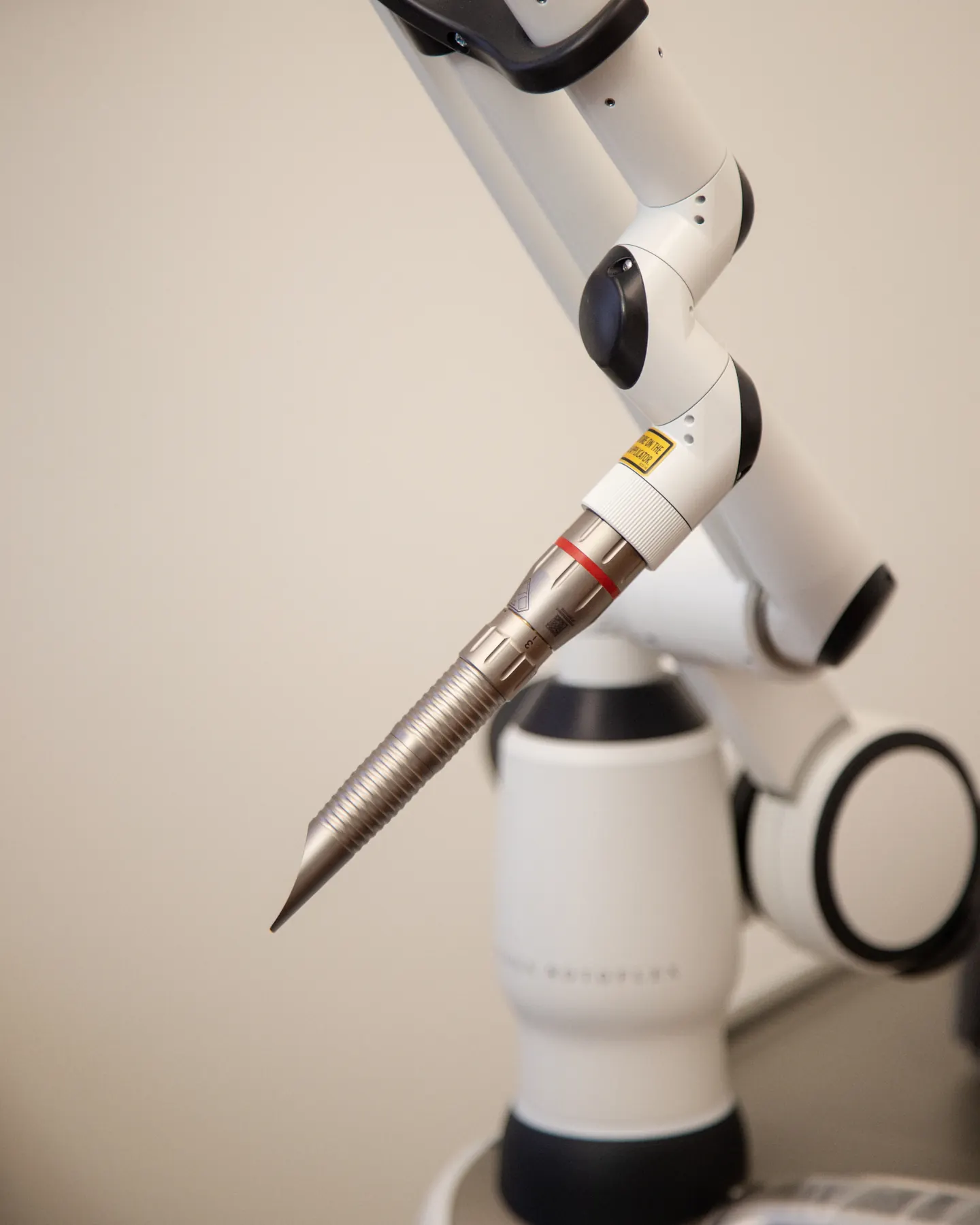
The Fotona 4D Laser Facial (TimeWalker) is a multi-step laser treatment designed to improve skin quality and support collagen remodeling. Depending on the exact protocol used by the clinic, it usually combines different laser modes that work on both the outer skin and deeper tissue layers. One of the most talked-about aspects is the intraoral component, where the laser is used inside the mouth to heat tissue from within. That sounds unusual at first, but it is one reason the treatment can affect the nasolabial area and perioral region in a way that feels different from a basic surface laser.
The “4D” name refers to four dimensions or stages of treatment, not four separate appointments. In practice, the session moves through a sequence that may include internal tightening, fractional rejuvenation, bulk heating, and light polishing or resurfacing. Exact settings depend on the patient’s skin type, concerns, and downtime tolerance.
A useful way to think about it is this: OMNIA Wellness Center Fotona 4D Laser Facial (TimeWalker) one pass aims to stimulate deeper collagen and support tissue contraction, another addresses mid-level texture and pores, and another improves the surface quality and tone. Not every patient needs every setting turned up equally. The best outcomes usually come from customizing the balance rather than applying the same recipe to everyone.
Why it stands out in the crowded laser category
There are many devices that claim to improve aging skin, and many of them do one thing quite well. Some are strong resurfacing lasers. Some are excellent for redness or visible vessels. Some create deeper heating for tightening. The reason the Fotona 4D Laser Facial (TimeWalker) keeps coming up in consultations is that it tries to bridge these goals in a single treatment plan.
That matters for real patients with mixed concerns. A person in their late thirties may have early jowling, visible pores on the cheeks, mild sun damage, and lipstick lines beginning around the mouth. A single-category treatment may only solve one part of that picture. Layered protocols can often produce a more coherent result because they treat the face as a whole rather than chasing one isolated flaw.
There is also a practical reason. Many people can manage a few days of redness and roughness. They cannot disappear for two weeks with a face that looks heavily ablated. A well-chosen TimeWalker protocol can offer noticeable improvement with a more manageable recovery than older, more aggressive resurfacing approaches. That does not mean there is no downtime. It means the downtime is often more socially workable.
Wrinkles, texture, and tone, what it can realistically improve
Wrinkles respond differently depending on their cause and depth. Fine crepey lines often improve faster than deep etched folds. Static lines around the mouth can soften, especially when the treatment includes the intraoral and superficial resurfacing components, but deeply set lines caused by volume loss may still need filler, biostimulation, or a different strategy altogether. Crow’s feet and fine under-eye creasing may improve modestly, though the eye area must always be treated conservatively and by an experienced provider.
Texture is one of the categories where this treatment tends to make patients happiest. Skin can feel smoother and denser. Pores may look less obvious, particularly on the central cheeks. Roughness from accumulated sun damage often improves, and makeup usually applies more evenly once the post-treatment shedding phase has passed. The result is not glass skin in one visit, but it can be a meaningful reset.
Tone is a broad term, and patients often use it to mean different things. Some mean brightness. Others mean fewer blotchy patches, less dullness, or more even coloration. TimeWalker protocols may help with superficial pigmentation irregularity and overall radiance, but results vary depending on the nature of the discoloration. Diffuse sun damage often responds better than hormonally driven melasma, which can be stubborn and sometimes worsened by heat in susceptible individuals. This is one of those areas where careful patient selection matters more than marketing.
The four layers, in plain language
The names of the laser modes can sound technical, and patients do not need a physics lecture to make a decision. What they do need is a clear explanation of what each stage is trying to accomplish.
The internal oral step warms tissue inside the mouth, usually along the cheeks and around the perioral area. The goal is controlled collagen stimulation from the inside out. Patients often describe this part as strange but tolerable, more warm than painful.
A fractional step commonly follows to create controlled micro-injury in the skin, which helps with texture, fine lines, and renewal. This is often where the treatment starts to feel more “laser-like.” Depending on settings, there may be a prickling heat and some post-treatment roughness.
A bulk-heating phase targets deeper dermal remodeling. The idea is not to burn the skin surface but to create enough thermal effect to encourage tightening over time. Immediate contraction can happen to a degree, but the more meaningful change tends to unfold gradually over several weeks and months as collagen remodeling occurs.
The final polishing step is often lighter and more superficial. It can brighten the surface and refine overall finish. Some clinics describe this as a red-carpet touch, but I think that oversells it. It is better understood as a finishing pass that complements the deeper work.
What a session feels like
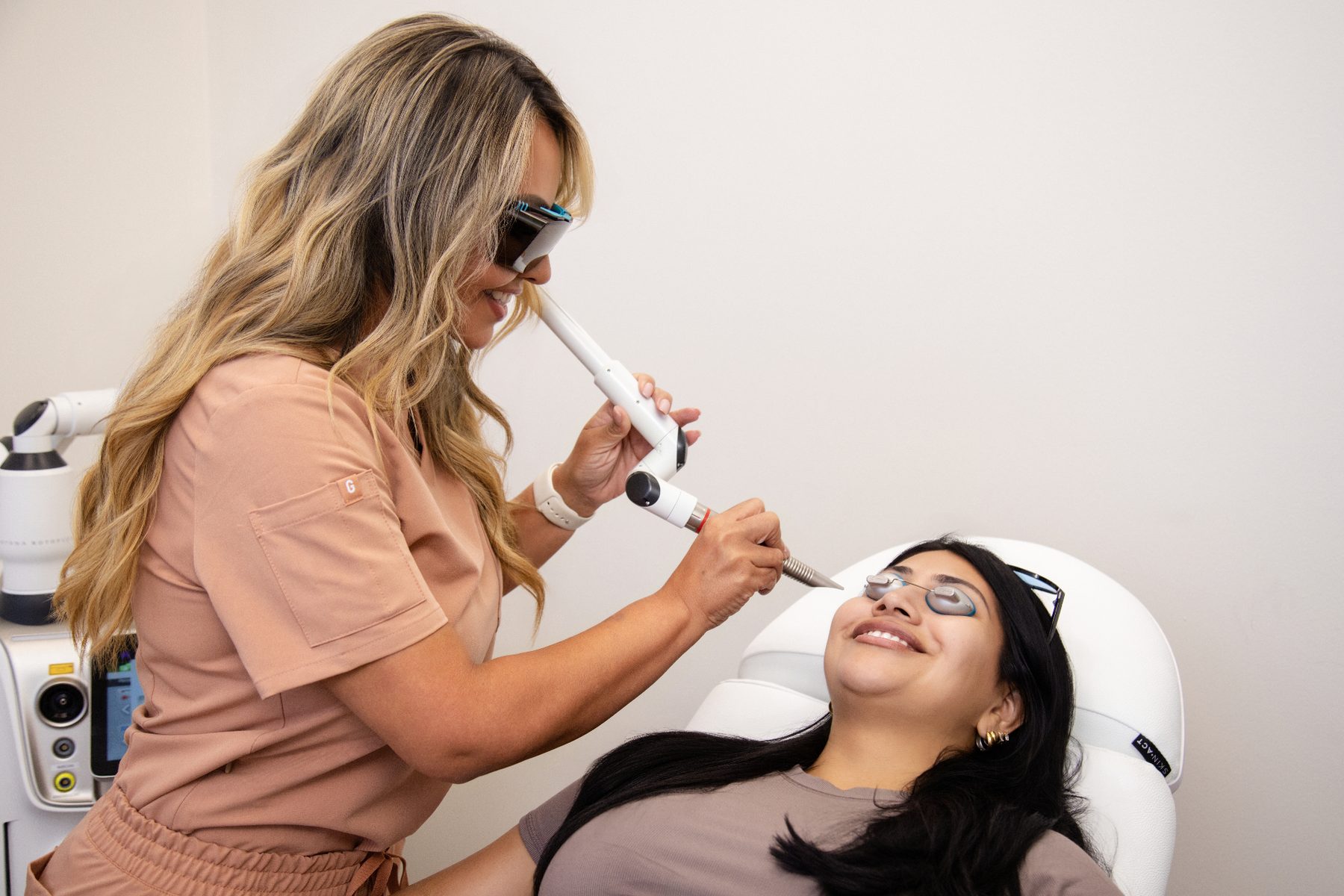
Experience varies by settings, operator technique, and the patient’s own threshold. In most cases, a topical numbing cream is applied beforehand, though some lighter protocols may not require much preparation. The face is cleansed thoroughly, eye protection is used, and the treatment proceeds in stages.
The intraoral portion is usually the part people are most curious about. The handpiece is placed inside the mouth, and the laser is delivered to the inner cheek and around the lip area. It feels warm and pressure-like. Most patients do not call it pleasant, but they also do not find it intolerable.
External passes can range from mildly uncomfortable to fairly intense, especially over bony areas or when stronger resurfacing settings are used. It helps when clinicians are honest about this. Good technique, cooling, and efficient treatment pacing make a difference. So does expectation-setting. Patients who are told a moderate treatment will feel like “nothing at all” tend to have a worse experience than those who are prepared for a temporary heat-and-sting sensation.
A standard appointment may take 45 to 90 minutes, depending on whether the neck is included and how comprehensive the protocol is. Afterward, the skin is often flushed and warm, similar to a strong sun or wind exposure. If a more active fractional component is used, there can be visible grid-like roughness or bronzing in the days that follow.
Downtime is real, even when marketing minimizes it
This is where conversations need more honesty. The phrase “lunchtime laser” gets used too loosely across aesthetics, and it can create bad expectations. Some very light TimeWalker sessions do have minimal recovery. Many of the treatments that produce more visible results do not.
For wrinkles, texture, and tone, patients often see the best improvement when enough energy is used to create a meaningful biological response. That usually means some combination of redness, swelling, tenderness, dryness, and sandpapery texture for a few days. If the protocol includes stronger fractional resurfacing, social downtime can stretch closer to five to seven days, sometimes longer for people with sensitive skin.
There is also the issue of delayed improvement. Freshness can show up early once swelling settles and the skin clears, but collagen remodeling is not instant. A patient who expects the final result in three days will be disappointed. A patient who understands that tightening and refinement continue over six to twelve weeks is much more likely to appreciate the treatment.
Who tends to benefit most
The ideal candidate is not simply “anyone with aging skin.” Better candidates are people with mild to moderate textural change, early to moderate laxity, superficial lines, and uneven tone who want visible improvement without the commitment of surgery or fully ablative resurfacing.
It can be especially useful for patients who are bothered by lower-face heaviness that is still mild, smokers’ lines beginning to form around the mouth, or skin that has lost some bounce and luminosity. It also suits patients who want a regenerative approach rather than one centered entirely on volume replacement.
That said, expectations need to be anchored in anatomy. If a patient has significant jowling, heavy neck laxity, pronounced volume loss, or deep folds caused primarily by structural descent, the Fotona 4D Laser Facial (TimeWalker) can help the skin look better, but it may not solve the central complaint. Those patients are often happier when laser is combined with other modalities or when they consider surgery instead of trying to out-laser a surgical problem.
Skin tone, safety, and the importance of customization
One of the most important parts of any laser consultation is an honest assessment of skin type and risk tolerance. Not every component of a TimeWalker protocol carries the same risk profile, and not every skin tone should be treated with identical settings. Providers need to consider the likelihood of post-inflammatory hyperpigmentation, especially in darker skin tones or in patients with a history of pigment reactivity.
This does not mean deeper complexions cannot be treated. It means the plan must be thoughtful. Lower energies, different mode emphasis, strong pre-treatment skin preparation, and careful aftercare often matter more than the machine name itself. A responsible clinic will discuss what is suitable, what should be modified, and what may be better handled with another treatment entirely.
Melasma deserves separate mention. Heat-based procedures can flare it in some patients. If someone has active or historically stubborn melasma, caution is warranted. In these cases, treatment can still be possible, but it should be approached conservatively and with a broader pigment-management plan rather than a quick promise.
How many sessions people usually need
A single treatment can improve radiance and give a noticeable refresh, particularly in patients with mild concerns. For more established wrinkles, uneven texture, or laxity, a series is usually more realistic. In many clinics, that means three sessions spaced several weeks apart, though exact intervals vary.
There is a pattern I often see in results discussions. The first session shows the patient what their skin is capable of. The second tends to build consistency in texture and brightness. The third is where they often start saying their face looks firmer and more rested, even if friends cannot identify exactly why. Maintenance treatments afterward help preserve momentum, because skin continues aging whether treatment happens or not.
No ethical provider should guarantee a dramatic result after one session for everyone. Some patients are thrilled after one. Others need layering, patience, and combination planning.
How it compares with a few common alternatives
Patients usually weigh this treatment against microneedling radiofrequency, IPL, fractional non-ablative lasers, and ablative resurfacing. Each has a place. TimeWalker is not automatically superior, it is simply different.
Microneedling radiofrequency can be excellent for texture, acne scarring, and mild tightening, especially when downtime needs to stay moderate. IPL is often better for redness and sun spots but does little for tightening. Strong ablative resurfacing remains unmatched for certain etched lines and severe photodamage, but it comes with more recovery and risk. Injectables can outperform laser for dynamic wrinkles and volume deficits, though they do not improve the skin surface in the same way.
What makes the Fotona 4D Laser Facial (TimeWalker) attractive is its middle-ground versatility. It can address more than one concern in one treatment arc, which makes it appealing for patients who want a comprehensive skin-quality intervention rather than a single-issue fix.
Preparation affects results more than people think
Good outcomes often start two to four weeks before the appointment. Skin that is irritated, freshly tanned, over-exfoliated, or poorly barrier-supported usually behaves worse. Patients who are using prescription retinoids, acids, or potentially sensitizing products may need to pause them for a period directed by their clinician.
For pigment-prone individuals, a pre-treatment routine can be especially important. Sometimes that includes brightening agents, sun avoidance, or barrier repair measures. None of this is glamorous, but it is the sort of detail that separates a smooth recovery from an avoidable complication.
Aftercare matters just as much. The skin will need gentle cleansing, diligent hydration, and very consistent sun protection. A person who has laser on Friday and spends Saturday at a bright outdoor brunch with no shade and patchy sunscreen is not giving the treatment much respect. That is exactly how prolonged redness and pigmentation issues start.
What the first month usually looks like
Immediately after Fotona 4D Laser Facial (TimeWalker) treatment, redness and warmth are common. Swelling tends to be mild to moderate, often more noticeable the next morning. If the protocol included a stronger resurfacing element, the skin may feel tight and rough for several days. Some patients describe it as a fine gritty film before it exfoliates away.
By the end of the first week, many people look presentable with tinted sunscreen or light makeup, though that depends on how aggressively they were treated. Around this point, the skin often starts looking clearer and more polished. The “my pores look smaller” comment usually appears early.
Over the next several weeks, the more structural benefits continue to develop. This is less dramatic than the peeling phase but more important in the long run. Skin quality improves in a quieter way. It becomes a little firmer, a little smoother, a little more even, and the sum of those small changes is what makes the face look better.
A realistic conversation about cost and value
Laser pricing varies widely by market, provider experience, and how much of the face or neck is treated. The sticker price can seem high compared with a facial or even some injectables. The better way to judge value is to ask what the treatment is actually replacing or combining.
If someone would otherwise pursue separate appointments for superficial brightening, pore refinement, mild tightening, and perioral line support, a comprehensive laser session may make sense. If they only care about brown spots, there may be cheaper and more direct options. If they only want forehead lines gone, neuromodulators will likely offer a better return.
The most disappointed laser patients are often those who bought a package before understanding their own priorities. The most satisfied tend to be those who wanted overall skin quality improvement and accepted that laser works through gradual remodeling rather than instant camouflage.
Questions worth asking at the consultation
A good consultation should feel specific, not scripted. Patients should leave knowing exactly what their treatment is designed to improve, what it is unlikely to change, how many sessions are recommended, and what recovery will look like on their skin.
A few questions are especially useful:
- Which parts of my concern are you targeting with this treatment, and which parts are not likely to change much?
- What settings or treatment intensity do you expect to use for my skin type?
- How many days of redness, swelling, and roughness should I realistically plan for?
- Is my pigmentation history or skin tone a reason to modify the plan?
- Would a combination approach give me a better result than laser alone?
Those questions tend to cut through vague sales language very quickly.
Where this treatment fits best
In practice, the Fotona 4D Laser Facial (TimeWalker) fits best for patients who want a meaningful skin-quality treatment with some tightening potential, but who are not seeking the intensity of aggressive resurfacing or the commitment of surgery. It is not magic, and it should not be sold that way. It is a smart option in the hands of a clinician who understands both laser physics and facial aging.
The strongest results come from matching the tool to the person. A patient with early aging changes, diffuse textural decline, and mild uneven tone may look significantly fresher after a thoughtful series. A patient with deep static folds, marked laxity, or severe pigment instability may need a different plan. That is not a failure of the treatment. It is simply good medicine.
When expectations are clear, protocols are customized, and aftercare is taken seriously, this treatment can do what many patients are actually asking for. It can soften the tired look, refine the skin surface, and restore some of the vitality that tends to fade gradually and then all at once. For the right patient, that is more than enough.
OMNIA Wellness Center
Address: 16430 Ventura Blvd Ste 207, Encino, CA 91436
Phone: (818) 386-8511
FAQ About Fotona 4D Laser Facial (TimeWalker)
What are the benefits of Fotona laser treatment?
OMNIA offers this treatment for concerns such as uneven texture, dull tone, and fine lines. Results and the number of sessions vary, so discuss your goals with a provider.
Is Fotona laser safe?
A qualified provider should review your skin, medical history, medications, and recent sun exposure to determine whether the treatment is appropriate. Ask about possible irritation, pigment changes, and aftercare before booking.
How much does a Fotona 4D facelift cost?
Price depends on the treatment plan and number of visits. Ask OMNIA for an itemized estimate during your consultation.